Loading artist

J.B Thompson
Biography
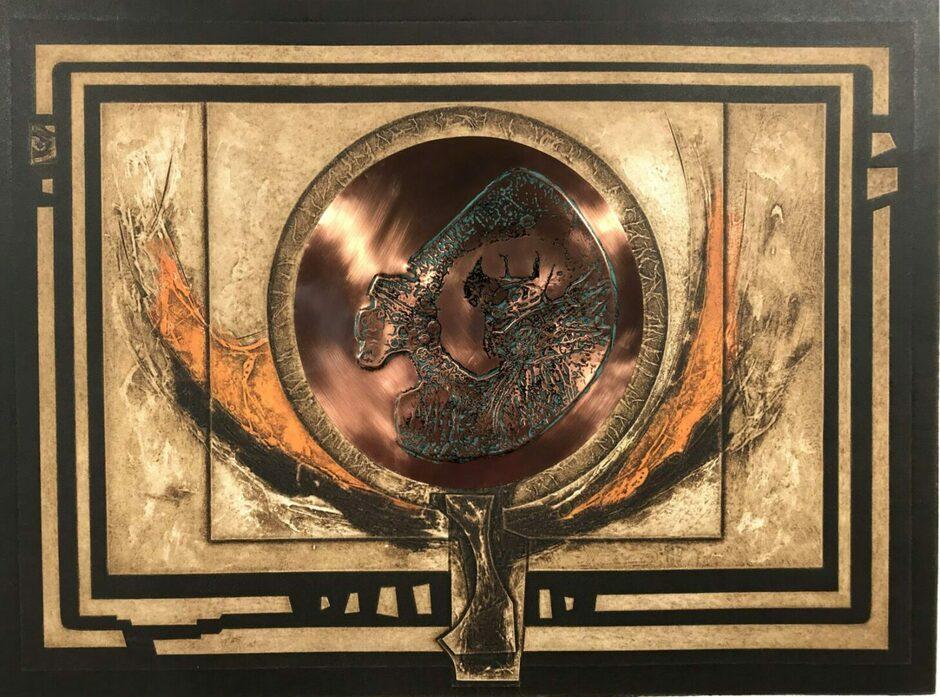
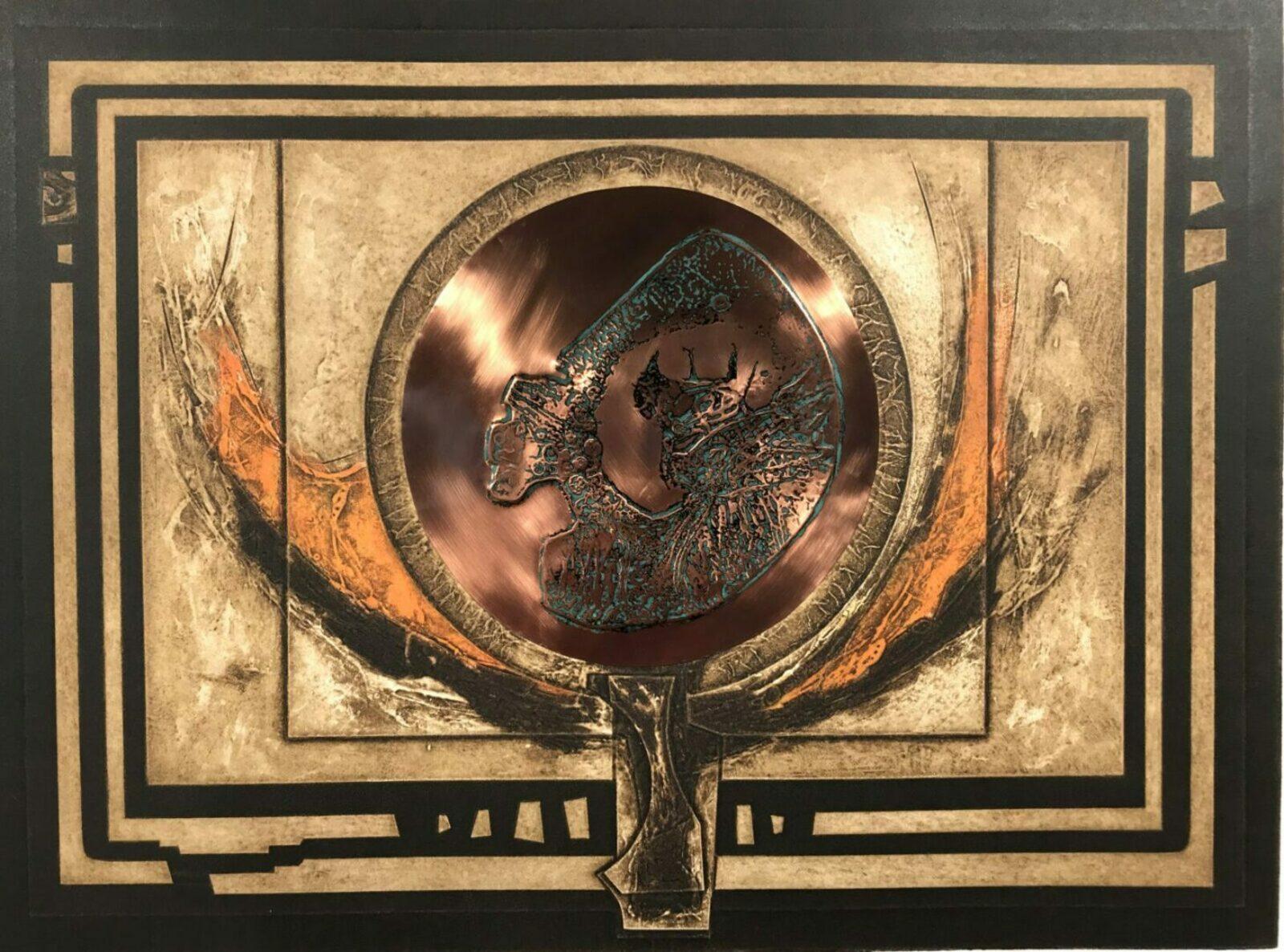
Born: Vernon, Texas, January 30, 1932 Died: 1984 J.B. Thompson (1932–1984) began his career with aspirations in architecture, but his passion soon shifted toward painting and sculpture. His mastery of all three disciplines was evident early on and laid the foundation for his distinctive artistic voice. Later in life, he expanded into printmaking, which he integrated with sculptural elements to produce sterling silver and copper collage prints—first released as limited editions in 1972. Throughout the 1970s, Thompson continued to evolve his printmaking practice, incorporating diverse techniques and materials such as collograph, woodcut, lithograph, etching, carborundum surfaces, and gold leaf. His prints are known for their dramatic textural relief, a result of his refined use of the carborundum process. In terms of subject matter, Thompson often explored themes of mental and physical voyages, imbuing his work with a palpable sense of movement. Other works reference metaphysical diagrams, illustrating the layers of the human psyche or the structure of the physical cosmos. He believed deeply in the one-to-one communicative power between viewer and artist, asserting that understanding his work would provide insight into who he was as a person. Critics have noted that “the source of J.B. Thompson’s imagery was a direct, mystical experience of reality, which he did not try to define or control. He did not separate the creation of his art from the living of his life.” Thompson combined technical mastery with creative intuition, crafting a body of work that continues to resonate with its audience. Honors & Recognition Huntington Hartford Fellowship, 1965–1966 Listed in Who’s Who in America, 1979 and 1980