Loading artist

Jerry Schurr
Biography
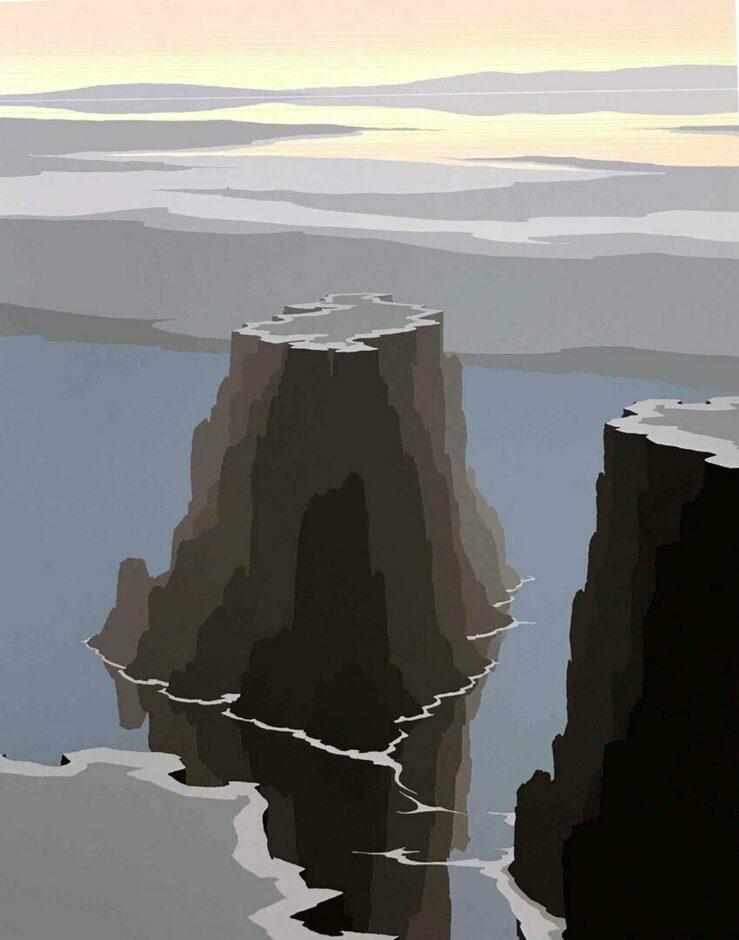
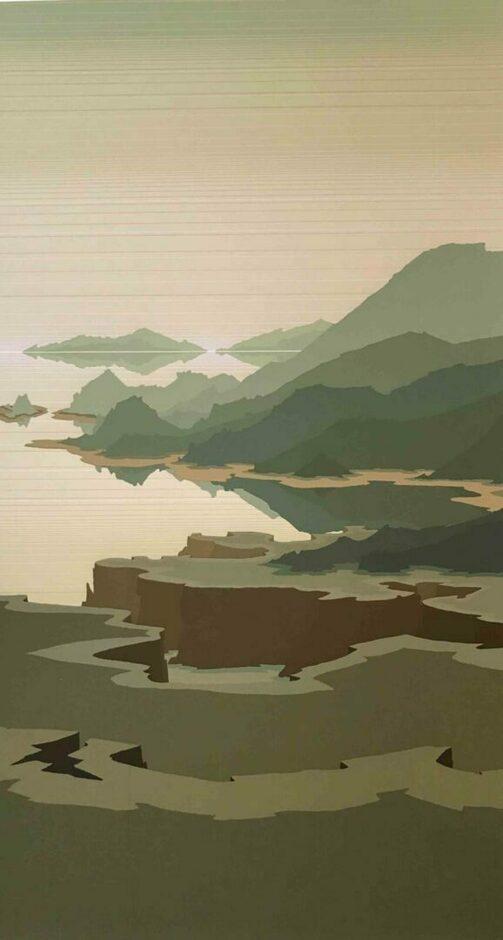
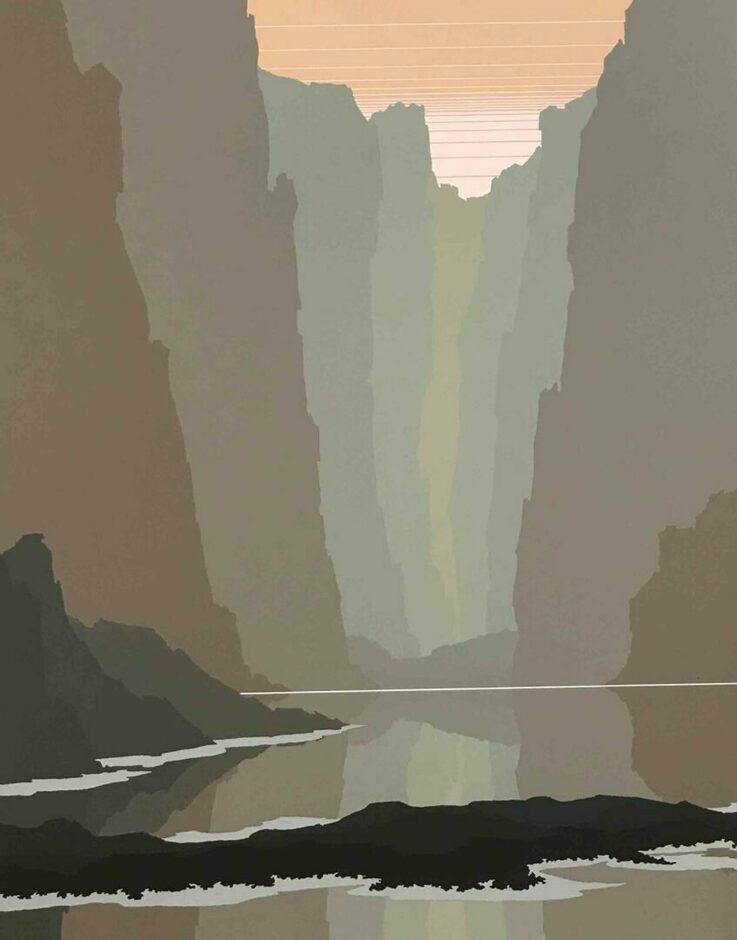
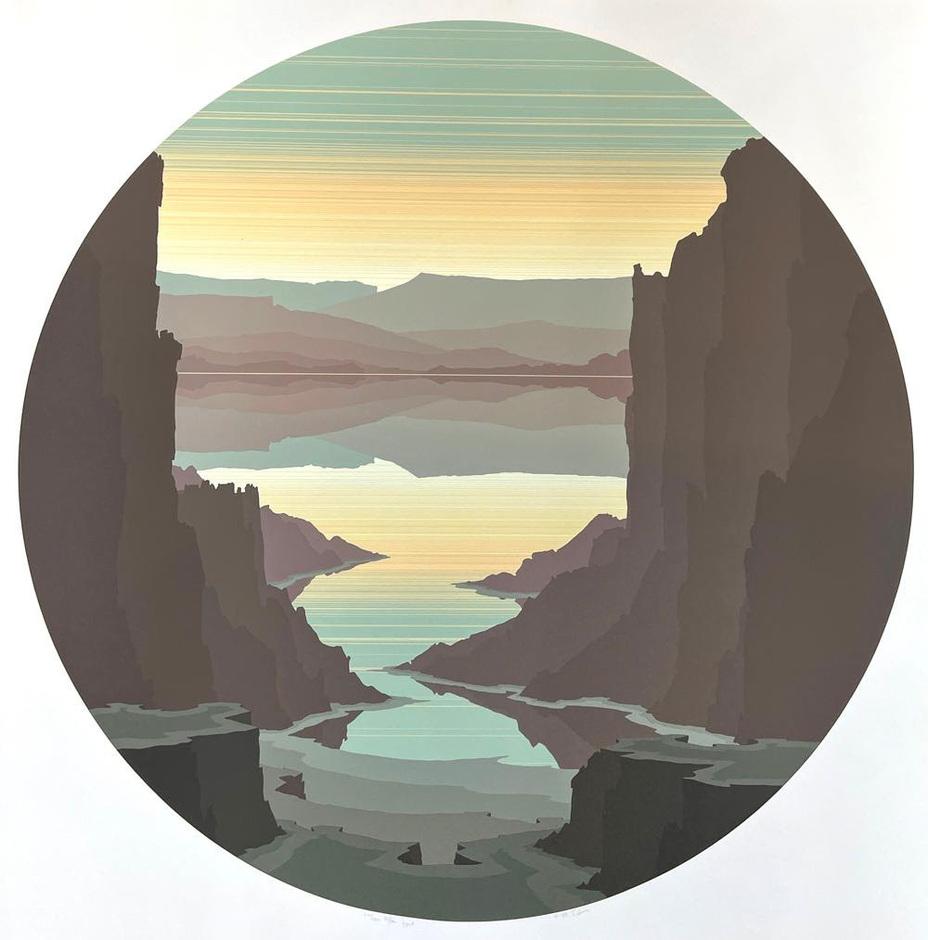
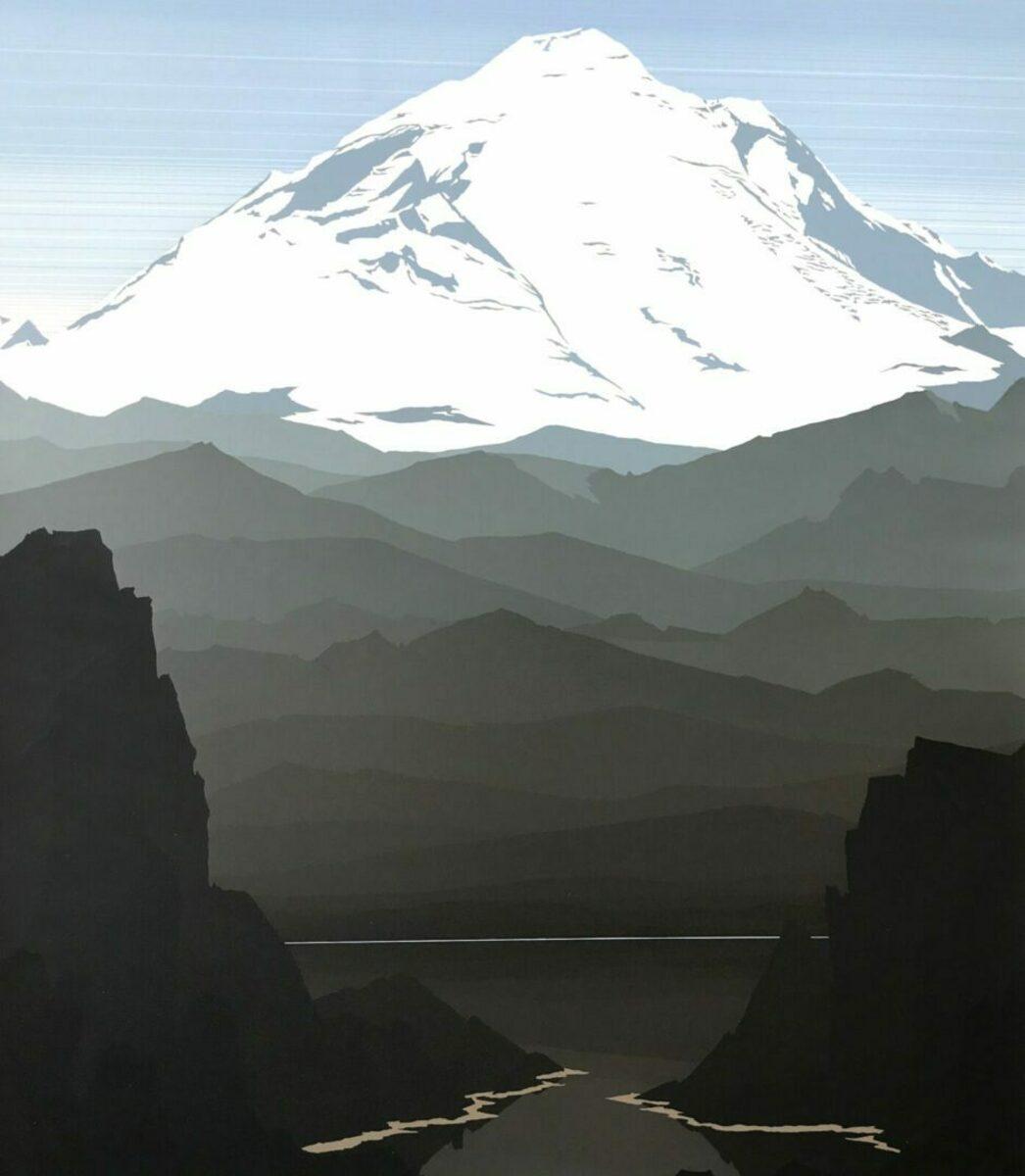
Born: May 1940, West Philadelphia, Pennsylvania Early Life Jerry Schurr spent his earliest years in the Fairmount Park section of West Philadelphia. His first vivid memory — at age three — was of a girl doing cartwheels on a grassy hill above a picnic his mother had arranged. That image of a green landscape has remained an inspiration throughout his life. While World War II raged abroad, Jerry’s neighborhood remained peaceful. Except for the occasional air-raid drill, the war felt far away. He remembers colorful victory gardens and a fascination with butterflies and other small wonders of nature. In late 1944, the family moved to a larger apartment, and Jerry found new places to explore. When the war ended, school began — Hamilton Elementary. Kindergarten was a difficult separation from his mother, but he found joy in walking home through back alleys, discovering “neat trash and lots of cats.” Discovering Art Jerry’s first inspiration came from watching his mother draw faces in profile. Soon he began experimenting himself, thrilled by the sight of his own hand creating pictures. His drawings became more complex — portraits of friends, animals, and, above all, landscapes. Hills, bridges, streams, and clouds filled his pages, each one larger and more ambitious than the last. Education School itself was never Jerry’s passion — it was something to get through before he could draw again. That changed when he attended Central High School and joined the art class of Fred Gill, who shared his creative enthusiasm. After high school, Jerry applied to and was accepted by the Pennsylvania Academy of the Fine Arts (PAFA). The Pennsylvania Academy of the Fine Arts At PAFA, Jerry immersed himself in the study of fine art — drawing, painting, and sculpture. He worked with still lifes, casts, and nudes, learning perspective and experimenting with acrylics, watercolors, and pen and ink. He also explored three-dimensional media such as clay, wax, and plaster. Eventually, overwhelmed by the intensity of study, he took a break — and ran away. Hawaii In January 1960, Jerry boarded a TWA Super G Constellation bound for Honolulu, Hawaii. The journey took him through Pittsburgh, Chicago, Seattle, and Portland before he finally descended through cumulus clouds into Oahu. The island’s tropical beauty transformed him. Volcanic landscapes, ocean horizons, and the floral scent of the air shaped his imagination. This period, filled with artistic growth and his first romantic experiences, profoundly influenced his creative vision. Return to Art By 1965, Jerry was ready to commit fully to art once again. He re-enrolled at PAFA and received a full tuition scholarship. Immersed once more in creative work, he absorbed the artistic trends of the time — Abstract Expressionism, Op Art, and Pop Art — with New York as the center of the art world. But none of it felt quite right. Something was missing. It took two years after graduating in 1969 for Jerry to find his true direction. The Landscape By 1975, Jerry had fully devoted himself to the landscape — the subject that had inspired him since childhood. His early hard-edged abstractions evolved into a form of magical realism, combining precision with dreamlike atmosphere. His breakthrough came in 1978 with Gunnison, a serigraph exhibited at the Philadelphia Print Club juried show. The piece won the Eugene Feldman Memorial Prize, a purchase award from the Philadelphia Museum of Art. Soon after, New York publisher John Szoke Graphics began representing Jerry’s work, introducing it to a wider audience through gallery shows, poster publications, and media appearances, including motion pictures and television. Today In recent years, Jerry Schurr has embraced the digital realm as his new creative medium. Using Adobe Illustrator, he constructs landscapes layer by layer, staying deeply connected to the work throughout the process. Unlike traditional paint or ink, digital light allows him to manipulate color and luminosity directly, producing images that radiate with inner life. These digital landscapes, filled with mystical light and atmosphere, embody Jerry’s lifelong pursuit of the harmony between imagination and nature.